Struggling to find the right coffee table for a small living room? Here’s a practical guide with size tips, space-saving ideas, and the best styles that actually work.
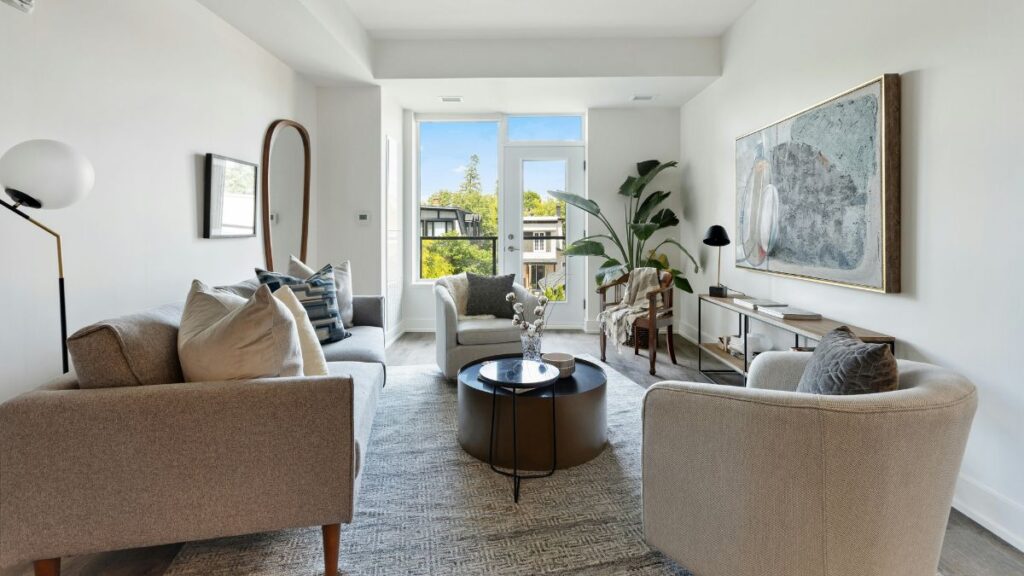
If you’ve ever tried fitting a coffee table into a small living room, you probably already know—it’s harder than it looks. A small living room doesn’t limit your style—it refines it. In fact, limited space often encourages smarter, more thoughtful design choices. And when it comes to balancing function and elegance, the coffee table plays a surprisingly central role.
I’ve seen beautifully designed living rooms feel crowded simply because the coffee table was too large, too bulky, or the wrong shape for the layout. That’s when I realized something important:
In a small space, the “right” coffee table isn’t just about style—it’s about proportion and function.
Whether you’re furnishing a small apartment, updating a compact family room, or simply trying to make the most of your space, choosing the right coffee table is about more than aesthetics—it’s about creating a room that works for the way you live.
In this guide, we’ll explore the best coffee table styles for small living rooms, practical sizing guidelines, and simple design tips that can help your space feel larger, more comfortable, and better organized.
What makes a table work
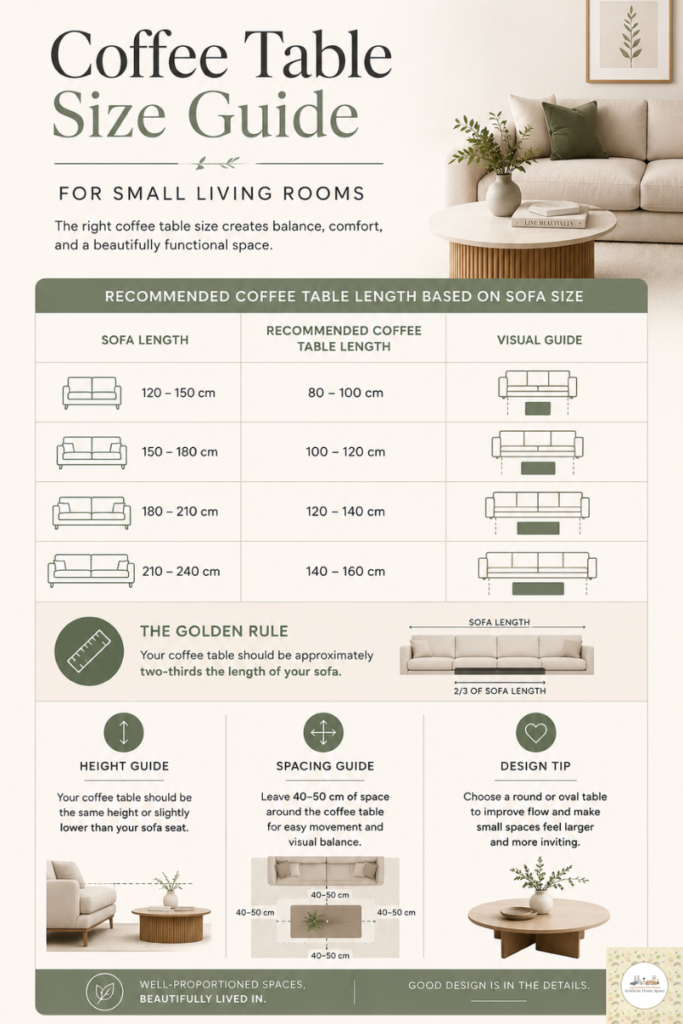
The most important rule is scale. For many small living rooms, tables around 20 to 30 inches, or roughly half the length of the sofa, tend to feel balanced without overwhelming the space. Clearances matter too: a table that is too bulky can interrupt circulation and make the room feel tighter than it really is.
Visual weight matters just as much as actual size. Slim legs, glass tops, open bases, and lighter wood finishes help a table disappear more gracefully into the room, while matte surfaces can reduce glare and visual clutter. If your room is especially compact, a design that sits lower and looks airy will usually feel more luxurious than a heavy, solid block.
Choosing the Right Shape (This Matters More Than You Think)
Before diving into styles and features, it’s important to understand that the shape of your coffee table has a direct impact on how spacious—or restricted—your living room feels. In smaller spaces, even subtle design choices can influence flow, movement, and visual balance.
Round Coffee Tables: Best for Flow and Safety
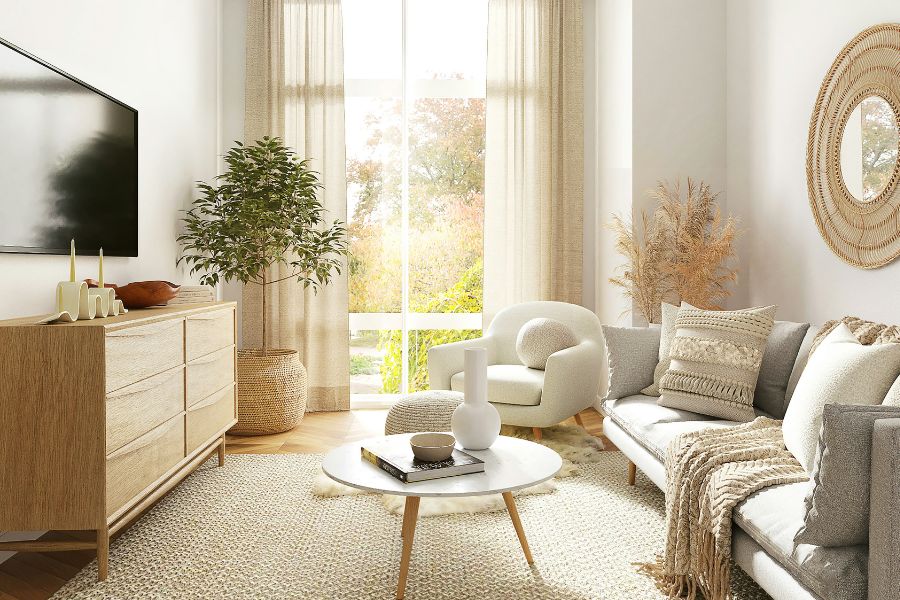
Round coffee tables instantly soften a room, both visually and physically. Without sharp corners, they create a more relaxed and welcoming feel, while also making it easier to move around—especially in tighter layouts where every inch matters.
They’re particularly effective in breaking up rigid lines from sofas and walls, adding a sense of fluidity that makes the space feel more open.
Best for:
- Small layouts with limited walking space
- Homes with kids (no sharp edges)
- Sofas arranged in compact settings
Rectangular Coffee Tables: Best for Structure
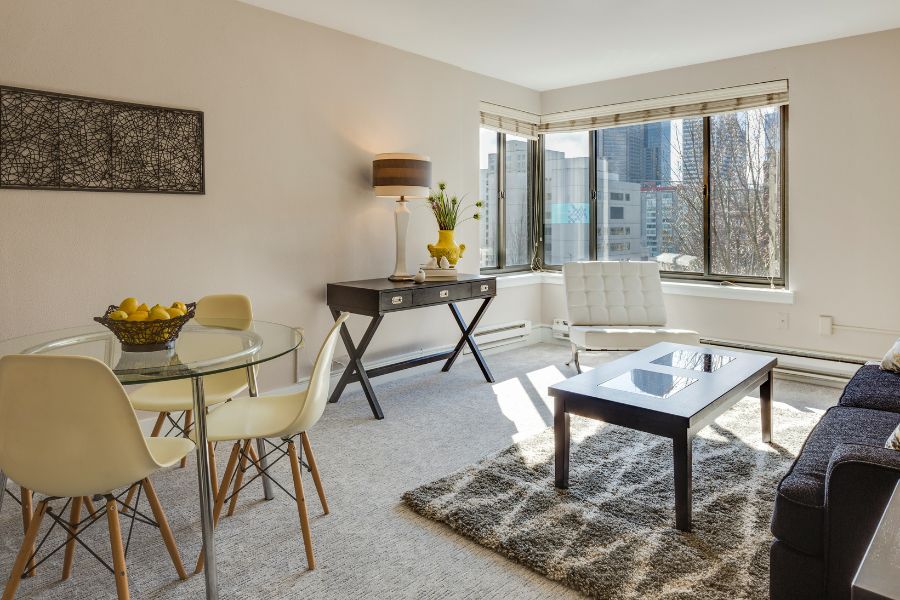
Rectangular coffee tables bring a sense of order and structure, making them ideal for more traditional or elongated living room layouts. They align naturally with standard sofas, creating a cohesive and balanced look. In small spaces, the key is to choose a slimmer design—something that provides functionality without overwhelming the room.
Best for:
- Narrow living rooms
- Traditional layouts
- Maximising usable surface area
Tip: Opt for open-frame or leggy designs to keep the space feeling light.
Square Coffee Tables: Best for Balanced Layouts
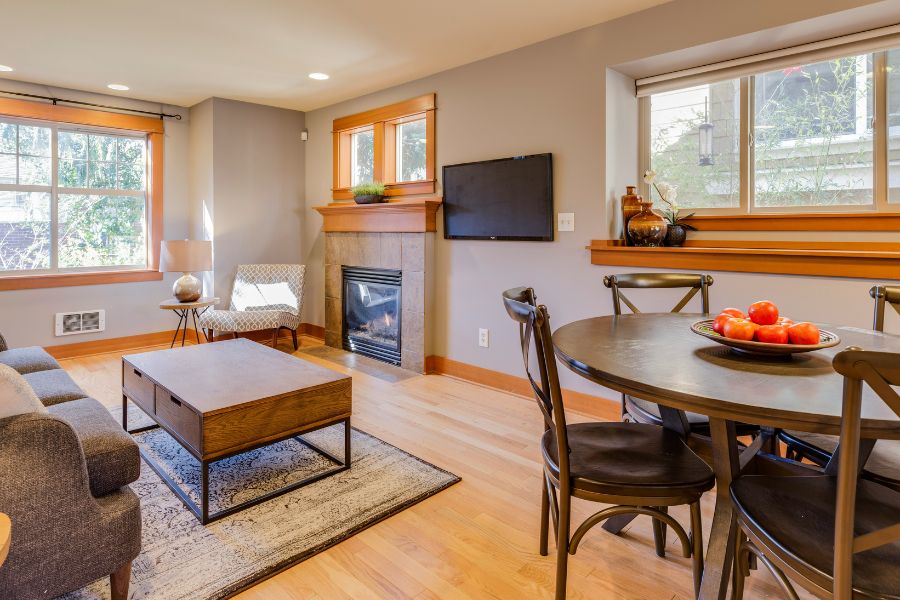
Square coffee tables work beautifully in symmetrical setups, especially when paired with sectionals or seating arranged around a central point. They create a grounded, intentional look that feels calm and organised. However, in very tight spaces, they need to be chosen carefully to avoid making the layout feel boxed in.
Best for:
- Sectional sofas
- Evenly balanced seating arrangements
- Creating a central focal point
Oval Coffee Tables: Best of Both Worlds
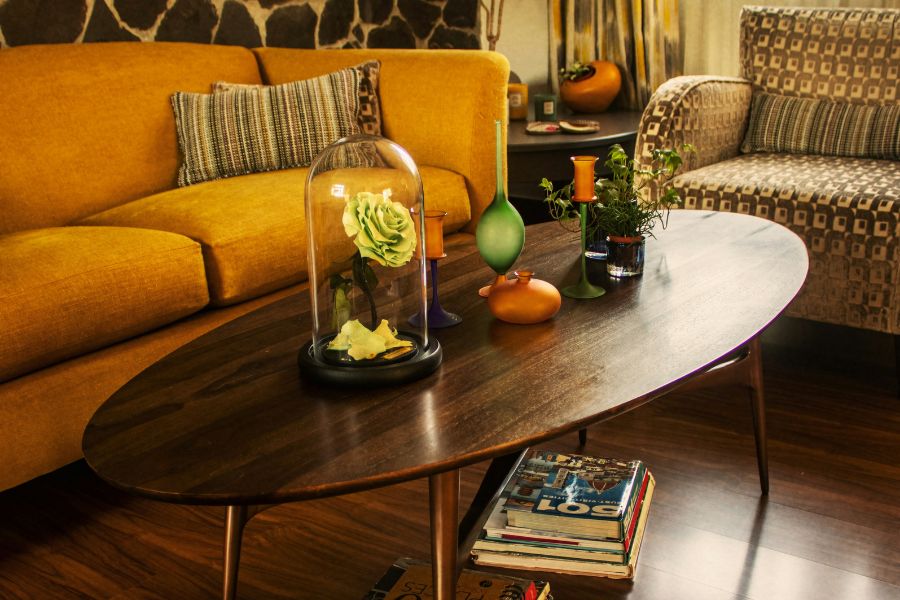
Oval coffee tables offer the practicality of a rectangular shape with the softness of rounded edges. This combination makes them a versatile choice for small living rooms where you want both functionality and flow.
They feel slightly more elevated and design-forward, making them a great option if you’re aiming for a refined, curated aesthetic.
Best for:
- Tight spaces needing better movement
- A softer, more premium look
- Maintaining length without harsh edges
Best Coffee Table Types for Small Living Rooms
Once you’ve chosen the right shape, the next step is to think about functionality. In a compact living room, your coffee table should ideally serve more than one purpose.
Nesting Coffee Tables (Flexible Living)
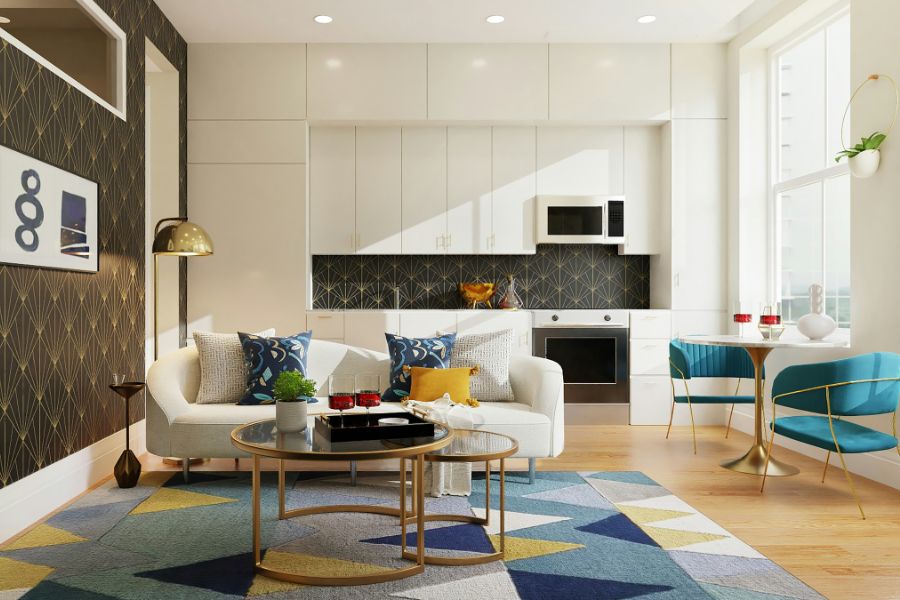
Nesting tables are designed for flexibility, making them one of the most practical solutions for smaller homes. You can spread them out when entertaining guests or tuck them away neatly when you need more floor space.
They also add visual interest through layering, which can make your living room feel more styled and intentional without adding bulk.
Why they work:
- Expand when needed
- Save space when not
- Add a modern, layered look
Lift-Top Coffee Tables (Hidden Functionality)
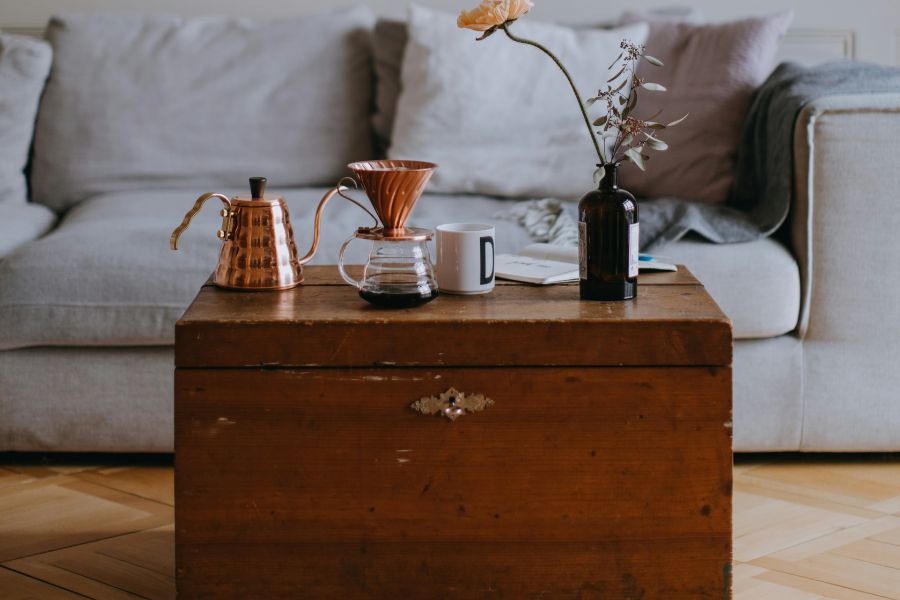
A lift-top coffee table is ideal for modern living, where spaces often serve multiple purposes. With a simple mechanism, the surface lifts up to create a more comfortable height for working, eating, or using a laptop.
This small adjustment can make a big difference in how functional your living room feels day to day.
Why they work:
- Dual-purpose design
- Hidden storage compartment
- Perfect for compact, multi-use spaces
Storage Coffee Tables (Clutter-Free Living)
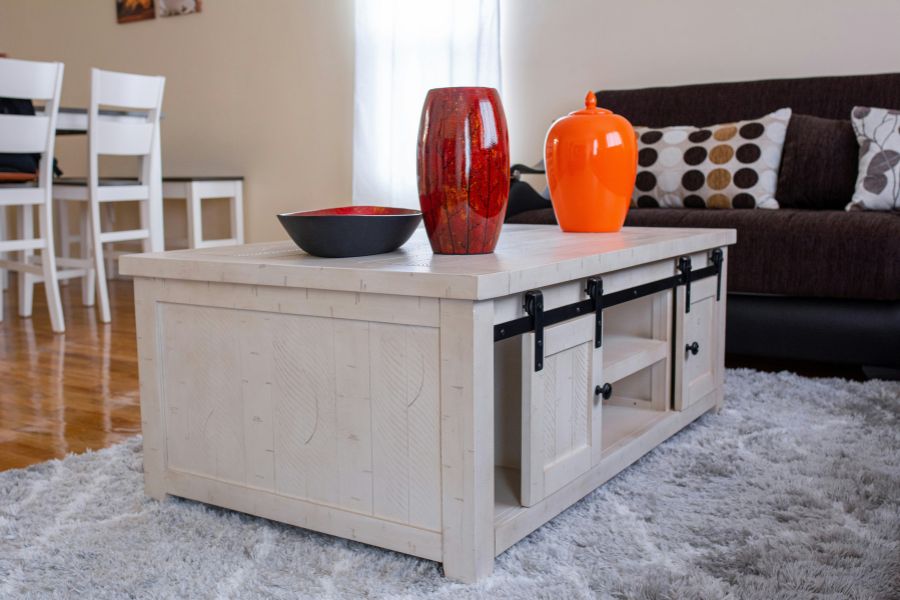
In smaller living rooms, clutter can quickly take over if there’s no dedicated place to store everyday items. Storage coffee tables solve this problem elegantly by incorporating drawers, shelves, or hidden compartments.
They allow you to maintain a clean, calm environment while still keeping essentials within easy reach.
Why they work:
- Maximise storage without extra furniture
- Keep surfaces tidy
- Support a more organised lifestyle
Glass Coffee Tables (Light and Airy Look)
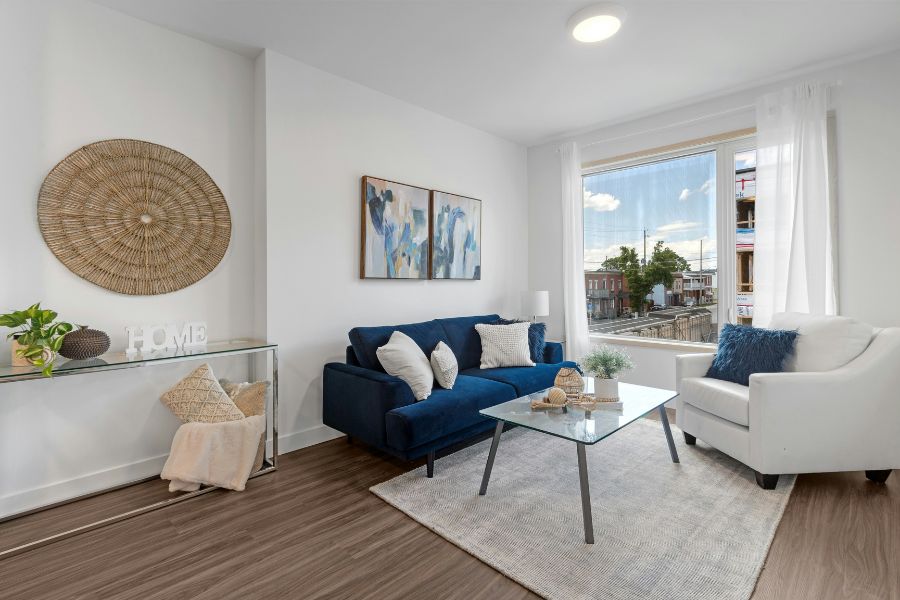
Glass coffee tables are a clever design choice when you want to make a room feel larger than it actually is. Because they’re visually transparent, they don’t interrupt sightlines, which helps maintain an open and airy feel.
They also reflect light beautifully, adding a subtle sense of brightness to the space.
Why they work:
- Reduce visual heaviness
- Enhance light and openness
- Blend effortlessly with any style
Slimline or Open-Frame Tables (Minimalist Appeal)
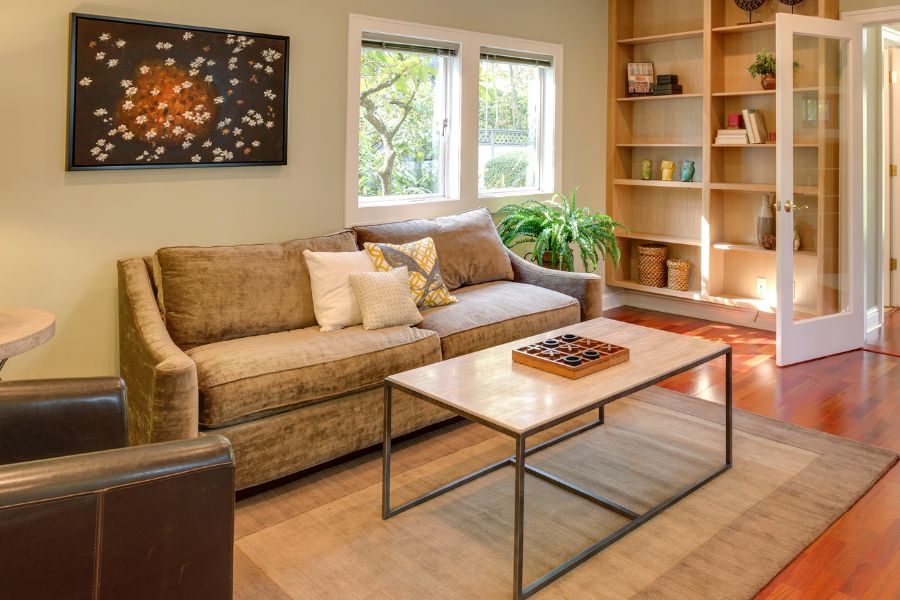
Slimline tables focus on clean lines and minimal structure, making them perfect for modern interiors. Their lightweight appearance ensures they don’t dominate the room, even if they provide enough surface area for daily use.
They’re especially useful if you prefer a more understated, refined look.
Why they work:
- Keep the room feeling spacious
- Easy to move and style
- Ideal for minimalist aesthetics
Practical Coffee Table Buying Checklist
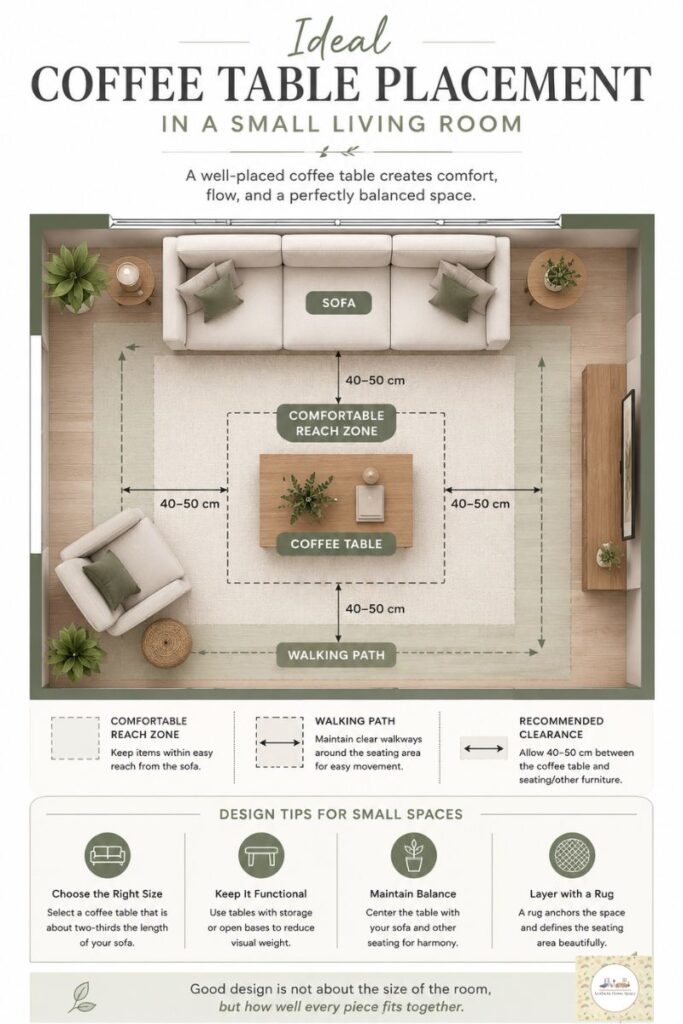
Choosing the right coffee table isn’t just about finding a design you love—it’s about making sure it fits your space comfortably and functions well in everyday life. Before you buy, take a few minutes to measure your sofa width, the distance between seating pieces, and the open floor space available. A simple trick is to mark the coffee table’s footprint on the floor with masking tape. This helps you visualize how the table will affect movement around the room before making a purchase.
Keep these guidelines in mind:
- Size: Aim for a table that’s about two-thirds the length of your sofa.
- Height: The tabletop should be the same height as your sofa seat or slightly lower.
- Spacing: Leave approximately 40–50 cm (16–20 inches) between the sofa and the table for comfortable movement.
- Shape: Round and oval tables create a softer flow in compact rooms, while rectangular or racetrack-shaped tables work well in narrow layouts. Nesting tables and C-tables offer extra flexibility when space is limited.
- Material: Lighter finishes, glass, and open-frame designs can help a small room feel more spacious.
- Function: In smaller living rooms, multi-purpose furniture is often the smartest choice. Look for designs that provide storage, flexibility, or both.
Pro Tip
If your living room is under 10 feet wide, round or nesting tables usually work best. They make it easier to move around and instantly make the space feel less crowded.
Designing a small living room is less about limitation and more about intention. The pieces you choose should work together to create a space that feels open, functional, and quietly sophisticated. A well-chosen coffee table does more than fill a gap—it anchors your room, supports your lifestyle, and enhances the overall experience of your home. Choose thoughtfully, and even the smallest space can feel beautifully complete.
